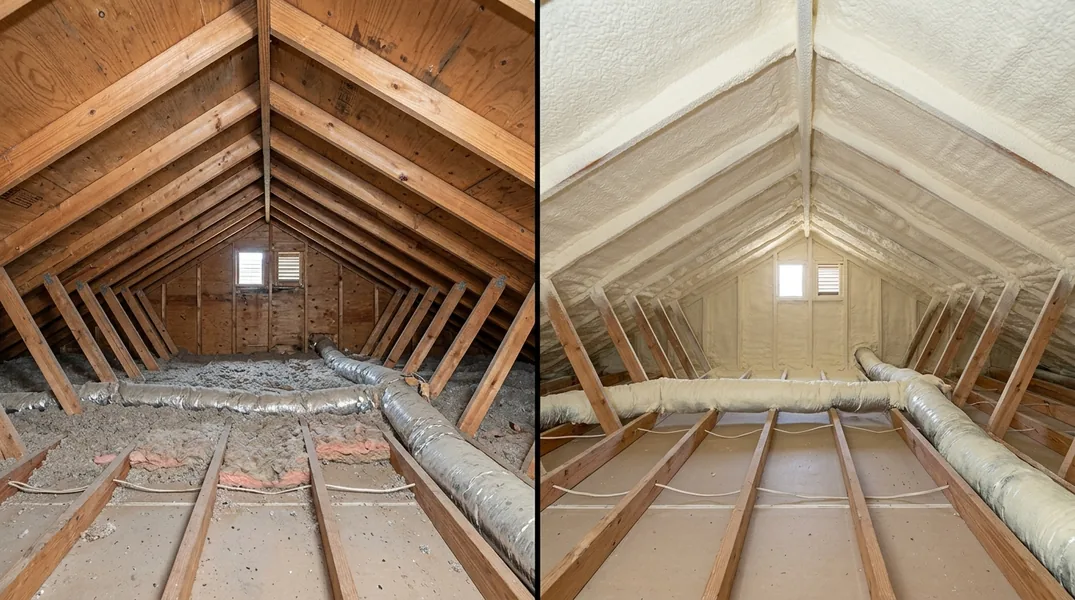
Understanding Pier-and-Beam Homes in the Oaks
The Oaks neighborhood and surrounding areas of Beaumont are home to some of the region's most charming older residences. Many of these classic houses sit on pier-and-beam foundations, a construction method that was popular throughout the mid-20th century. Unlike modern slab-on-grade foundations, pier-and-beam construction elevates the home several feet above the ground, creating a crawl space underneath. This architectural style offers certain advantages for humid climates, allowing air circulation beneath the home and reducing moisture-related foundation damage.
However, this same open crawl space presents a significant challenge for homeowners looking to maintain energy efficiency and comfort. The exposed area beneath your home becomes a thermal weak point, allowing conditioned air to escape and outside temperatures to influence your indoor climate. In Beaumont's hot and humid environment, an uninsulated or poorly insulated crawl space can cost you hundreds of dollars annually in wasted heating and cooling. This is where modern insulation solutions come into play, and many homeowners are turning to spray foam as a long-term answer.
Is Spray Foam Insulation Worth It for Your Crawl Space?
The question of whether spray foam insulation is worth the investment depends on several factors specific to your home and situation. For pier-and-beam homes in Beaumont, the answer often leans toward yes. Closed Cell Spray Foam Insulation creates an air-tight seal that traditional fiberglass batts simply cannot match. This continuous barrier prevents air leakage, which accounts for a substantial portion of energy loss in older homes. When applied to crawl space walls and rim joists, spray foam can reduce your HVAC workload by 15 to 20 percent, translating to lower utility bills month after month.
Beyond energy savings, spray foam offers moisture control benefits that are especially valuable in humid climates. The Southeast Texas region experiences high humidity levels, and crawl spaces are notorious for moisture problems. Closed Cell Spray Foam Insulation acts as a vapor barrier, preventing moisture from migrating into your home's structure. This protection can extend the life of your wooden framing, joists, and subfloor, potentially saving you thousands in future repairs. When you factor in energy efficiency, moisture control, and structural longevity, the return on investment becomes compelling for most homeowners.
Is Spray Foam Insulation Safe? Addressing Common Concerns
Safety is a legitimate concern when considering any building material for your home. The good news is that spray foam insulation, when properly installed by qualified professionals, has a strong safety record. The material itself is inert once fully cured, meaning it does not continue to release harmful substances into your living space. However, the application process requires careful attention to detail. During installation, applicators use specialized equipment and follow strict safety protocols to ensure proper mixing, application, and curing of the foam.
One safety consideration involves the installation environment. Professional installers ensure adequate ventilation during application and allow sufficient curing time before the space is occupied. This is why hiring a reputable, experienced contractor matters tremendously. Beaumont Spray Foam Insulation follows industry standards and manufacturer guidelines on every crawl space job. We recommend getting a free estimate from a licensed local contractor who can assess your specific situation and answer any safety questions you may have.
Spray Foam Off Gassing: What You Need to Know
Spray foam off gassing is one of the most misunderstood aspects of this insulation technology. Off gassing refers to the release of volatile organic compounds (VOCs) during and shortly after application. Quality spray foam products are formulated to minimize VOC emissions, and the amount released is typically well below EPA safety thresholds. Once the foam is fully cured, which usually takes 24 to 48 hours, off gassing essentially ceases. The material becomes chemically stable and poses no ongoing off gassing risk to your home's air quality.
The key to minimizing off gassing concerns is proper installation and ventilation. Professional contractors ensure that crawl spaces are adequately ventilated during the application process and cure period. If you have concerns about indoor air quality, discuss them with your installer before work begins. They can explain the specific product being used, its VOC profile, and the curing timeline. Most homeowners notice no odor or air quality issues once the application is complete and the space has been properly ventilated. This is another reason why working with experienced professionals like Beaumont Spray Foam Insulation makes a difference.
Spray Foam Insulation Pros and Cons: A Balanced View
Like any building material, spray foam has both advantages and limitations worth understanding. On the pro side, the benefits are substantial. Spray foam provides superior air sealing, excellent moisture resistance, and long-term durability. It adheres to irregular surfaces, filling gaps and voids that traditional insulation cannot reach. In a pier-and-beam crawl space with multiple rim joists, pipes, and structural members, this adaptability is invaluable. Additionally, spray foam does not settle or compress over time, meaning your insulation value remains consistent for decades. The material is also resistant to pests and does not provide food for rodents or insects, unlike fiberglass products.
On the con side, upfront pricing for spray foam is higher than traditional insulation methods. However, when you calculate the energy savings, reduced maintenance, and extended lifespan, the cost per year of service often compares favorably. Another consideration is that spray foam is permanent. Once installed, it cannot easily be removed or replaced in sections. This means you need to be confident in your contractor's workmanship before proceeding. Open Cell Spray Foam Insulation is slightly less expensive than closed cell but offers lower R-value and less moisture resistance, making it less ideal for crawl spaces. For most Beaumont homeowners with pier-and-beam foundations, the pros significantly outweigh the cons.
Spray Foam Insulation Problems: Prevention and Solutions
While spray foam is a reliable insulation solution, certain installation mistakes can lead to problems. Poor application technique, inadequate ventilation during curing, or using low-quality products can result in incomplete coverage, uneven application, or subpar performance. Some homeowners have experienced issues with foam that was not properly mixed or applied by inexperienced installers. These problems are preventable through careful contractor selection and thorough pre-installation communication about your expectations and concerns.
Another potential issue involves compatibility with certain building materials or conditions. For example, if your crawl space has active moisture problems or standing water, those issues should be addressed before spray foam installation. Similarly, if you plan to add Attic Spray Foam Insulation or other upgrades later, your contractor should understand your full insulation plan to ensure compatibility. The best way to avoid problems is to work with a knowledgeable local contractor who understands the unique challenges of Beaumont homes and Southeast Texas climate conditions. Beaumont Spray Foam Insulation has the experience to identify potential issues before they become problems and to recommend the best solution for your specific situation. Call (409) 351-3691 or request a free estimate to discuss your crawl space insulation needs.
Looking for a professional spray foam insulation contractor in Beaumont? Beaumont Spray Foam Insulation responds fast for all your spray foam insulation needs.
Get a Free Quote